
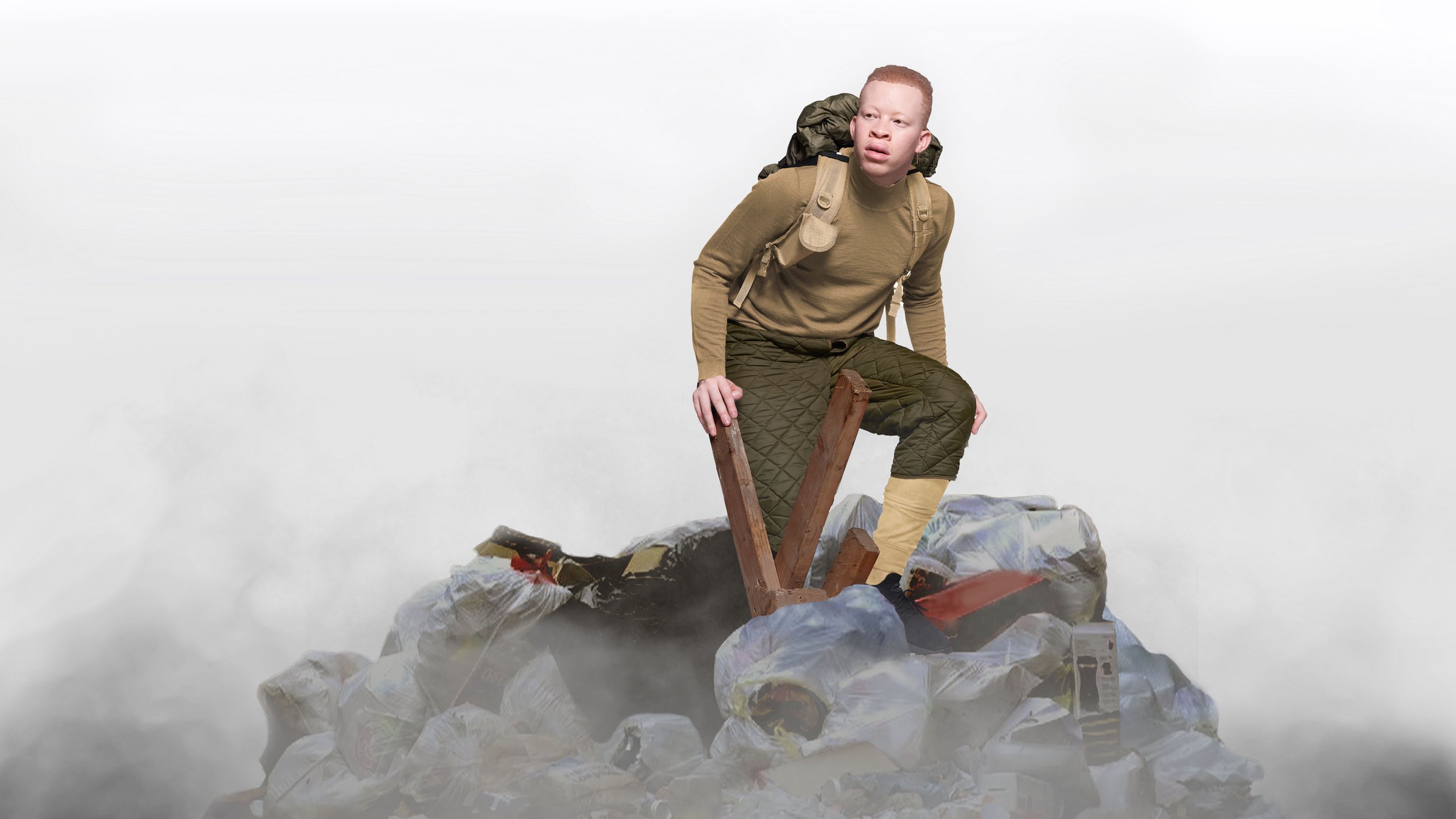
Manifesto
The future of fashion looks great.
Clothing is designed to be beautiful, to fit with precision, and to perform in everyday life. It supports the wearer in ways that are direct and tangible. Every garment cares — in both design and function.
Products exist because they are needed and valued. Production follows real demand, reducing excess and restoring meaning to what is made and worn.
Materials move in continuous cycles. Products are created from renewable and biodegradable resources, and designed to re-enter either technical or natural systems safely. Waste is avoided through intention at every stage.
Europe:
Stands for openness, democracy, and fairness. Equal opportunity and freedom form the basis of society, and these principles extend into how goods are designed, produced, and distributed.
Has a responsibility to raise the quality of products and supply chains. Circular thinking and creative development are shaping new standards for the industry — ones that influence practices well beyond regional borders.
Has a fashion industry made up of independent designers, brands, manufacturers, and many other companies and organisations operating within interconnected networks. These relationships form a balanced ecosystem where collaboration strengthens every participant.
Production
Is driven by actual demand, and often happens within communities close to the point of use — creating transparency, accountability, and resilience, while strengthening the connection between makers and users. Local production reduces unnecessary transport, limits overproduction, and keeps value within local economies.
Technological development supports this system. Automated production technologies — such as automated knitting — enable high-quality, zero-waste manufacturing. Garments can be produced directly from yarn into finished form, without cutting or sewing. Knitting is both a craft and a forward-looking method of production. It allows for the creation of complex three-dimensional forms with efficiency and precision. Knitted materials offer comfort and performance, without reliance on plastics.
The heritage of knitting
Is preserved and made accessible through digital systems. Knowledge is documented, shared, and continuously developed, ensuring that future generations can continue to build upon it.
This vision is practical and within reach. It depends on clear choices, collaboration, and commitment across the entire system.
The transformation of fashion is already underway.
Mission
N.I.O.'s mission is to give small and emerging brands access to local, on-demand production - providing the tools they need to create and produce without the constraints of traditional mass manufacturing.
This is the start of a New Industrial Order: one where people are drawn to buy fewer, but better, clothes - through an efficient and responsible closed-loop supply chain.
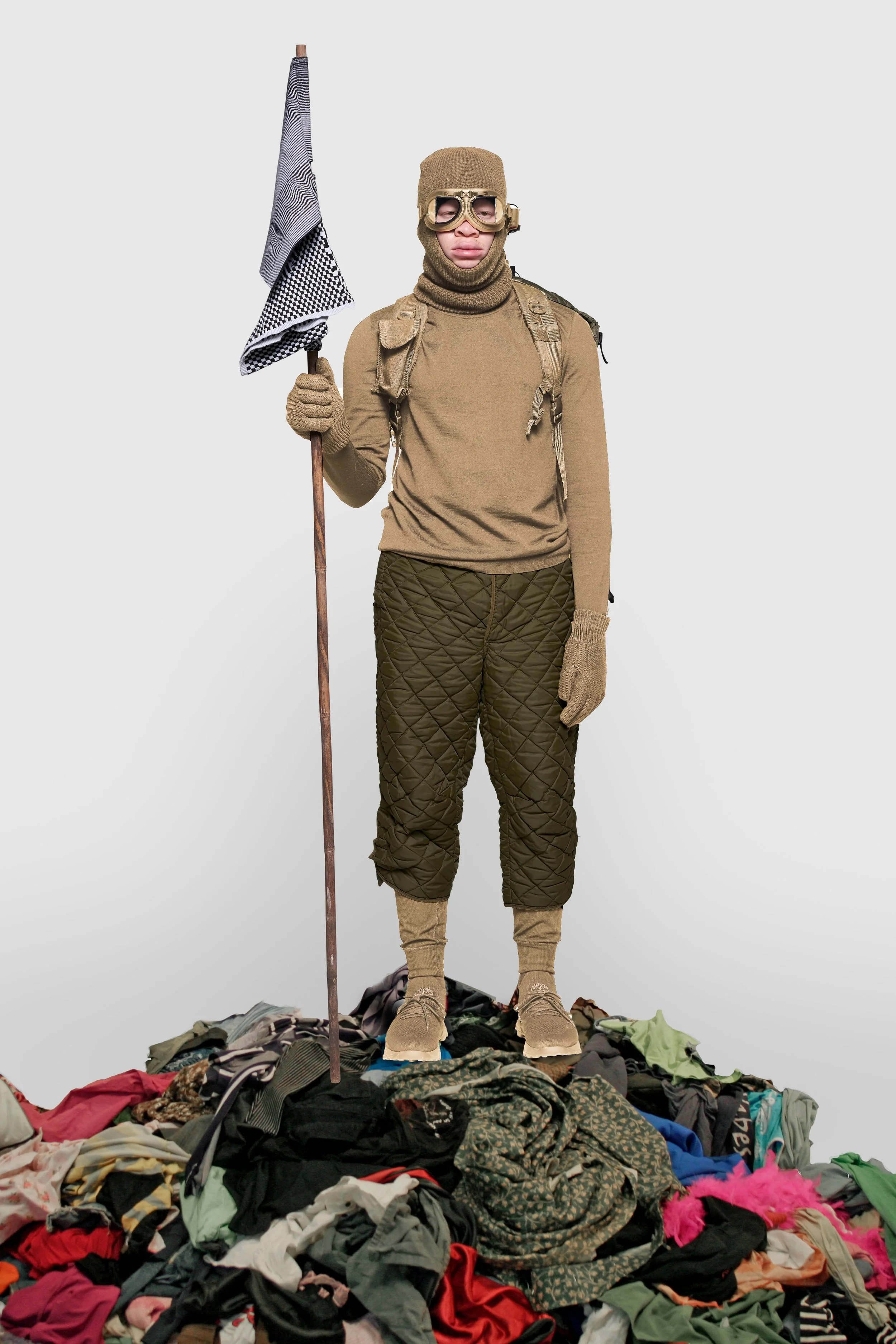
Seven reasons why knitwear is the future of sustainable fashion:
1.
According to LCA research* 1 kg of knitted clothes uses 20 times less energy than 1 kg of woven clothes.
2.
3D knitting machines produce clothes in one piece without cutting and sewing. These machines can be used as 3D printers to make personalized garments.
3.
3D knitted garments are made of uncut yarns. Garments can be unraveled after use and knit again.
4.
Innovation in knitting technology is transforming the way knitwear looks and feels. Any kind of yarn can be knitted, from metal wire to the finest silk, in any structure from soft and stretchy to floating or sturdy.
5.
The 3D knitwear supply chain can be fully automated. This means local production is possible, all over the world.
6.
A growing group of people is willing to invest in better clothes and a better future. 3D knitting on demand gives these consumers the power to decide what is made.
7.
Personalisation contributes to a more conscious shopping experience and increases the perceived value of clothes.